

B Corp Certification & New Standards Support
B Corp just went through its biggest overhaul in 20 years. The new V2 standards are more rigorous and more credible — and we've been working with them since the beginning. We're here to demystify the new standards, make them practical, and help you move forward in ways that strengthen both your business and your certification effort.
The new standards - the quick hits
The new standards are here; effective now
As of March 2026, all new certifications and recertifications run on V2.
V2 is what we call the new standards
Multiple versions of the new B Lab Standard have been released since the April 2025 launch — we're currently on V2.2. You may also hear the old standards called V6 or V1.
No more points
The 80-point threshold is gone. Every B Corp must now meet baseline requirements in each impact area — across the board, not on average.
Independent auditing
V2 introduces third-party audits & verification, bringing B Corp in line with global regulatory standards.
ECGT & ISO compliant
If you sell B2C in the EU, the new third-party audits allow your B Corp certification to keep you compliant with EU green claims regulations, effective September 2026.
It’s still (or more) worth it
B Corps have better employee retention, stronger investor relationships, and higher survivability rates than their peers. The new standards raise the bar — they don't change the business case.
How we support future & current B Corps
-
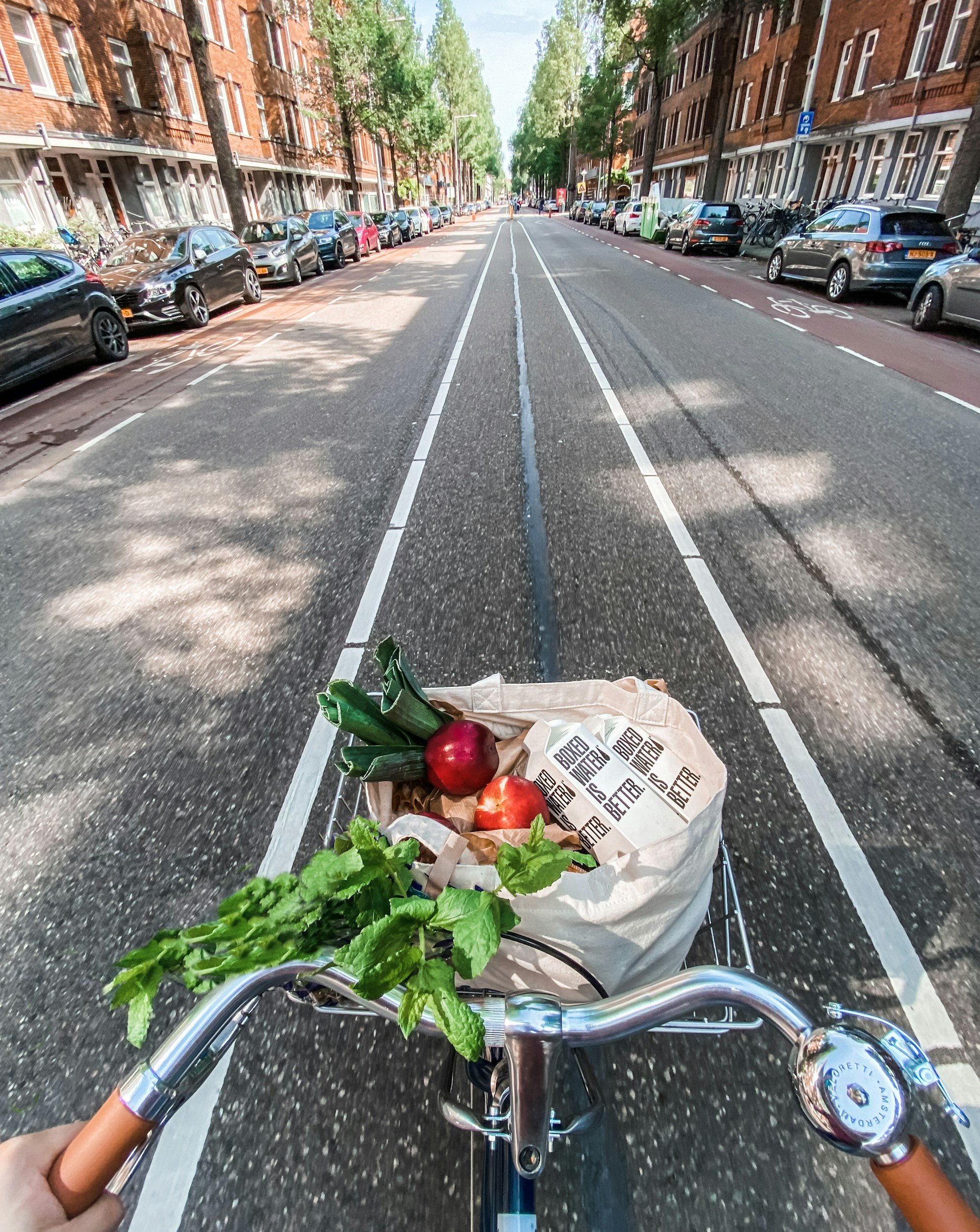
New to B Corp or navigating the shift to V2? We assess where you stand, map the gaps, and build a practical roadmap — so the transition strengthens your business, and your certification push.
-
End-to-end support through the entire process — B Impact Portal management, impact programs, documentation, stakeholder coordination, and third-party verification. We've run this from inside companies and from the outside.
-
For companies that just need support in specific areas of the B Lab Standard, build your own modular B Corp project. Each project is a turnkey engagement that plugs directly into B Corp compliance requirements. And because we've been managing holistic sustainability programs for years, we know how to connect the dots across your business, not just check boxes.
Current project menu:
Materiality Assessment
Stakeholder Governance & Engagement
Mission & Purpose Statements
Carbon Measurement & Science-Based or Aligned Target Setting
Climate Action Plans
Environmental Measurement & Management
Circularity Programs & Planning
Fair Work & Employee Handbook Updates
Inclusion & Belonging Programs
Collective Action & Industry Alignment
Responsibility Policies: Marketing, Lobbying & more





and more…
B Corps we’ve had the privilege of supporting

Deep dive: the new standards & impact topics
Some lingo to track:
Impact Topics — the seven core areas every B Corp must address, from Climate Action to Fair Work. Non-negotiable across the board.
Performance Requirements — the specific actions your company must take within each topic. Think of them as the "what."
Sub-requirements & compliance criteria — the evidence and documentation that prove you're meeting each requirement. The "how."
Your track — requirements are customized to you, based on your company's size, sector, and risk profile.
The result: a smaller set of requirements than the old B Impact Assessment, but with more weight behind each one.
-
FR1 The company meets the eligibility requirements for B Corp Certifcation.
FR2 The company adopts the B Corp legal requirement and commits to supporting the B Corp community’s collective purpose.
FR3 The company creates a risk profile and meets any additional sub-requirements.
-
PSG1: The company establishes a public purpose to make a meaningful positive impact.
PSG2: The company considers its impacts on stakeholders in decision-making.
PSG3: The company has adequate procedures to address stakeholder grievances.
PSG4: The company engages in responsible marketing and public relations.
PSG5: The company’s social and environmental impact and stakeholder considerations are monitored by the highest governing body and integrated throughout the company.
PSG6: The company is transparent about its social and environmental performance.
-
HR1: The company commits publicly to respecting human rights.
HR2: The company knows its salient human rights issues and has a strategy to address them.
HR3: The company prevents, mitigates, and remediates actual and potential negative human rights impacts.
HR4: The company works with suppliers to achieve its human rights objectives.
-
CA1: The company has a process to measure its greenhouse gas emissions annually.
CA2: The company is committed to contribute to help keep global warming below 1.5°C.
CA3: The company implements and makes progress on its climate action plan.
-
FW1: The company sets clear expectations of employees.
FW2: The company implements fair wage practices.
FW3: The company considers feedback from workers on decisions that affect them.
FW4: The company measures workplace culture and takes action to improve it.
-
ESC1: The company knows its actual and potential impacts on the environment.
ESC2: The company has a strategy to address its actual and potential negative environmental impacts, and to support staying within ecological thresholds.
ESC3: The company implements circularity principles to reduce waste and its impact on natural resources.
ESC4: The company takes action to prevent and mitigate its actual and potential negative environmental impacts.
ESC5: The company works with suppliers to achieve its environmental objectives.
-
JEDI1: The company collects data to inform its JEDI actions.
JEDI2: The company chooses and implements JEDI actions.
-
GACA1: The company takes a responsible and transparent approach to lobbying.
GACA2: The company works collaboratively to advance collective social or environmental impacts.
GACA3: The company takes a responsible and transparent approach to taxes.
Work with Footprint towards V2
Preparing for V2.1 can feel like a big shift—but you don’t have to navigate it alone. At Footprint, we’ve been deep in the B Corp space for a decade, and we bring hands-on experience, strategic clarity, and a calm, practical approach to helping your team feel confident and ready. Let’s do this together.
Caveat: Footprint Sustainability is not (yet!) a Certified B Corporation or a part of the B Lab Global Network. The views expressed on this website do not necessarily reflect the views of B Lab. For more information, visit bcorp.com.
Check out the following resources for more information on V2, from B Lab and the B Corp Community:
B Corp Certification Hub B Lab's central resource for everything V2 — timelines, certification guidance, tools, and updates. Start here.
Explore the New B Lab Standards Full breakdown of the seven Impact Topics and Foundation Requirements, with downloadable standards PDF.
FAQs: Certifying on the New Standards B Lab's official FAQ covering first-time certification, recertification, timelines, and process questions.
FAQs: V2.1 and V2.2 Updates What changed between versions — useful if you've been tracking the standards since they launched.
B Lab Standards & ECGT Directive For EU-facing brands: everything you need to know about the Green Transition directive and how V2 certification provides a compliant pathway.